


Protect and Relieve with Bunion Protection Solutions

Bunions are a common foot condition that can cause discomfort and pain. They develop when the big toe pushes against the next toe, causing the joint to stick out. This can lead to inflammation, swelling, and difficulty walking. Managing bunions effectively requires proper care and protection. One practical approach is using devices designed to shield the affected area and relieve pressure. This article explores bunion protection solutions, focusing on how they can help reduce pain and prevent further damage.
Understanding Bunion Protection Solutions
Bunion protection solutions are designed to cushion and support the foot, reducing friction and pressure on the bunion. These solutions come in various forms, including pads, splints, and guards. Each type serves a specific purpose and can be used depending on the severity of the bunion and the individual's needs.
For example, soft gel pads can be placed over the bunion to provide a buffer between the foot and footwear. This helps prevent irritation caused by rubbing. Splints, on the other hand, are used mainly at night to help realign the toe gradually. They apply gentle pressure to correct the position of the big toe over time.
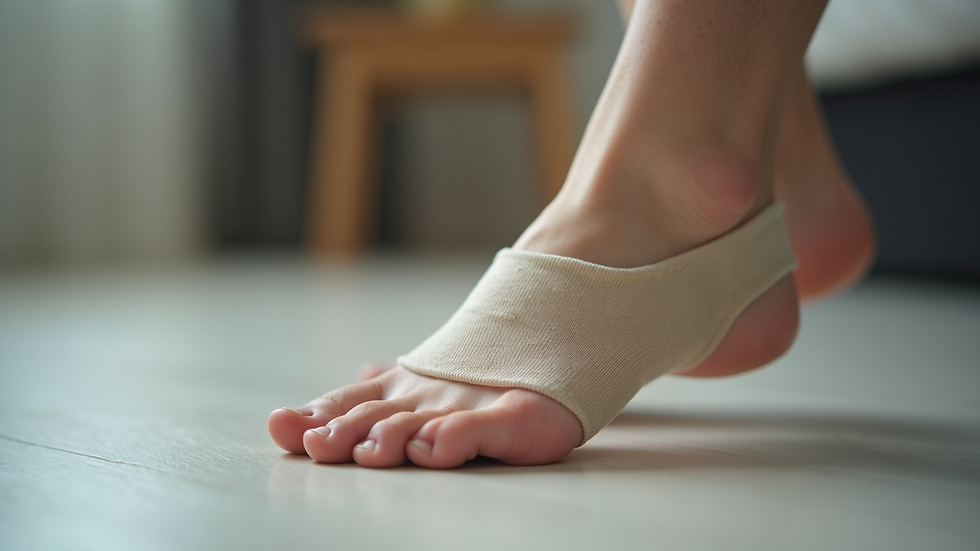
Another effective option is a bunion guard, which offers both protection and relief. It fits around the toe and bunion, providing support and cushioning. This device can be worn during daily activities to reduce pain and prevent the bunion from worsening.
Using these solutions consistently can improve comfort and mobility. It is important to select the right product based on individual symptoms and lifestyle. Consulting a podiatrist can help determine the most suitable option.
Benefits of Using Bunion Protection Solutions
Bunion protection solutions offer several benefits that contribute to better foot health and quality of life. These benefits include:
Pain relief: By cushioning the bunion, these devices reduce pressure and friction, which are common sources of pain.
Prevention of further damage: Protecting the bunion from constant irritation helps prevent the condition from worsening.
Improved mobility: Reducing pain allows for easier walking and standing, which is essential for daily activities.
Non-invasive treatment: These solutions provide relief without the need for surgery or medication.
Cost-effective: Compared to surgical options, bunion protection devices are affordable and accessible.
For example, wearing a bunion guard during long walks or while standing for extended periods can significantly reduce discomfort. This allows individuals to maintain an active lifestyle without being limited by foot pain.
Additionally, these solutions can be used alongside other treatments such as orthotic insoles or physical therapy. Combining approaches often leads to better outcomes.
Do bunion guards work?
Many people wonder if bunion guards are effective in managing bunion symptoms. The answer depends on the individual case and how the device is used.
Bunion guards work by providing a physical barrier between the bunion and footwear. This reduces rubbing and pressure, which are primary causes of pain and inflammation. The guard also helps to keep the big toe in a more natural position, which can slow the progression of the deformity.
Clinical experience and patient feedback suggest that bunion guards can offer significant relief, especially when used early in the condition. They are most effective when combined with proper footwear and other conservative treatments.
However, bunion guards are not a cure. They do not reverse the bunion but help manage symptoms and improve comfort. For severe cases, medical intervention may be necessary.
It is important to choose a bunion guard that fits well and is made from quality materials. Poorly fitting devices can cause additional problems such as blisters or increased pressure.

How to Choose the Right Bunion Protection Solution
Selecting the appropriate bunion protection solution requires consideration of several factors:
Severity of the bunion: Mild bunions may only need soft pads, while more advanced cases might benefit from splints or guards.
Daily activities: Consider when and where the device will be worn. Some are suitable for daytime use, others for night.
Comfort and fit: The device should fit snugly without causing discomfort or restricting circulation.
Material quality: Look for breathable, durable materials that reduce moisture and skin irritation.
Ease of use: Choose a product that is easy to put on and remove, especially if it will be used regularly.
It is advisable to consult a podiatrist for a professional assessment. They can recommend the best option based on foot structure, lifestyle, and symptoms.
Additionally, combining bunion protection solutions with supportive footwear can enhance effectiveness. Shoes with a wide toe box and good arch support reduce pressure on the bunion and improve overall foot health.
Tips for Managing Bunions Alongside Protection Solutions
Using bunion protection solutions is one part of a comprehensive approach to managing bunions. Here are some additional tips to help relieve symptoms and maintain foot health:
Wear appropriate footwear: Choose shoes that fit well and provide ample space for toes.
Maintain a healthy weight: Excess weight increases pressure on the feet.
Perform foot exercises: Stretching and strengthening exercises can improve flexibility and reduce discomfort.
Apply ice: Use ice packs to reduce swelling after prolonged activity.
Avoid high heels: High heels increase pressure on the front of the foot and can worsen bunions.
Schedule regular check-ups: Regular visits to a podiatrist help monitor the condition and adjust treatment as needed.
By following these recommendations, it is possible to manage bunion symptoms effectively and maintain an active lifestyle.
Seeking Professional Advice for Bunion Care
Professional advice is essential for effective bunion management. A podiatrist can provide a thorough assessment and recommend appropriate treatments tailored to individual needs.
At Blackrock Podiatry Clinic, expert care focuses on evidence-based treatments and personalised plans. This approach ensures that each patient receives the best possible support for their foot health.
If you experience persistent pain or notice changes in your foot shape, it is important to seek professional help promptly. Early intervention can prevent complications and improve outcomes.
Using a bunion guard as part of a treatment plan can provide relief and protect your feet during daily activities. Combined with expert guidance, this can help you maintain comfort and mobility.
Taking proactive steps to care for your feet is vital. Proper protection, combined with professional support, offers the best chance to manage bunions effectively and maintain a good quality of life.

$50
Product Title
Product Details goes here with the simple product description and more information can be seen by clicking the see more button. Product Details goes here with the simple product description and more information can be seen by clicking the see more button

$50
Product Title
Product Details goes here with the simple product description and more information can be seen by clicking the see more button. Product Details goes here with the simple product description and more information can be seen by clicking the see more button.
$50
Product Title
Product Details goes here with the simple product description and more information can be seen by clicking the see more button. Product Details goes here with the simple product description and more information can be seen by clicking the see more button.


Comments