


Effective Treating Athlete's Foot: A Practical Guide

Athlete's foot is a common fungal infection affecting the skin on the feet. It can cause itching, redness, and discomfort, often leading to cracked or peeling skin. Managing this condition effectively is important to prevent complications and maintain foot health. In this article, I will share practical advice on treating athlete's foot, focusing on methods suitable for individuals in Ireland.
Understanding Treating Athlete's Foot
Treating athlete's foot requires a clear understanding of the infection and its causes. The condition is caused by fungi that thrive in warm, moist environments. Common places where the fungus grows include locker rooms, swimming pools, and damp socks or shoes. The infection often starts between the toes and can spread to other parts of the foot.
Effective treatment involves both eliminating the fungus and preventing reinfection. This means using antifungal medications and adopting good foot hygiene practices. Over-the-counter antifungal creams, sprays, or powders are usually the first step. These products contain active ingredients such as clotrimazole or terbinafine, which kill the fungus.
In more severe cases, or if the infection does not improve, a healthcare professional may prescribe stronger antifungal medications. It is important to follow the treatment instructions carefully and continue using the medication for the full recommended period, even if symptoms improve early.

Practical Steps for Treating Athlete's Foot
To treat athlete's foot effectively, I recommend a combination of medication and lifestyle adjustments. Here are some practical steps:
Keep feet clean and dry - Wash your feet daily with soap and water. Dry thoroughly, especially between the toes.
Use antifungal treatments as directed - Apply creams or sprays to the affected areas. Continue treatment for at least two weeks after symptoms disappear.
Change socks regularly - Wear clean, dry socks every day. Choose socks made from breathable materials like cotton or wool.
Wear breathable footwear - Avoid tight or non-ventilated shoes. Opt for shoes made of natural materials that allow air circulation.
Avoid walking barefoot in public areas - Use flip-flops or sandals in communal showers, pools, and gyms.
Disinfect shoes and socks - Use antifungal powders or sprays inside shoes. Wash socks in hot water to kill fungi.
Avoid sharing personal items - Do not share towels, shoes, or socks with others.
These steps help reduce the risk of reinfection and speed up recovery. If symptoms persist or worsen, seek advice from a podiatrist or healthcare provider.
Should I Wear Socks to Bed with Athlete's Foot?
Wearing socks to bed when you have athlete's foot is a common question. The answer depends on the condition of your feet and the type of socks you use.
If your feet are sweaty or moist, wearing socks can trap moisture and worsen the infection. In this case, it is better to keep your feet uncovered to allow them to dry overnight. However, if you choose to wear socks, select clean, dry socks made from breathable materials. Change them daily and avoid synthetic fabrics that retain moisture.
Some people find that wearing socks helps prevent scratching during sleep, which can reduce skin damage. If you use socks at night, ensure your feet are completely dry before putting them on. Applying antifungal cream before bed can also help.
In summary, wearing socks to bed is not necessary for everyone with athlete's foot. The key is to maintain dry, clean feet and avoid conditions that promote fungal growth.
When to Seek Professional Help
Most cases of athlete's foot respond well to self-care and over-the-counter treatments. However, there are situations when professional help is necessary:
The infection does not improve after 2-4 weeks of treatment.
The infection spreads to other parts of the body.
You experience severe pain, swelling, or signs of bacterial infection.
You have diabetes, a weakened immune system, or poor circulation.
You are unsure about the diagnosis.
A podiatrist or healthcare professional can provide a thorough assessment and recommend appropriate treatment. They may prescribe oral antifungal medications or suggest other therapies. Early intervention can prevent complications and promote faster healing.
Accessing Athlete's Foot Treatment in Ireland
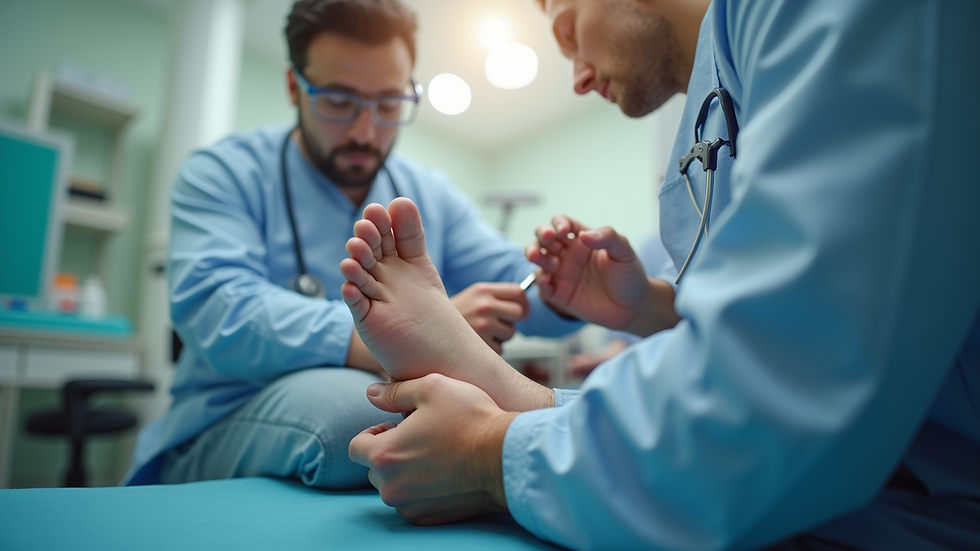
Finding effective athlete's foot treatment in Ireland is straightforward. Many pharmacies stock antifungal creams and sprays suitable for mild infections. For persistent or severe cases, visiting a podiatry clinic is advisable.
At clinics like Blackrock Podiatry Clinic, patients receive expert, evidence-based care tailored to their needs. The clinic focuses on comprehensive foot and lower limb care, building strong relationships with clients in the Blackrock and Dundalk areas. Professional assessment ensures accurate diagnosis and effective treatment plans.
If you are looking for reliable options, consider consulting a podiatrist who can guide you through the best treatment methods. You can also find helpful resources online, such as athlete's foot treatment ireland, which provide detailed information and clinic contacts.
Maintaining Foot Health After Treatment
Once athlete's foot is treated, maintaining foot health is essential to prevent recurrence. Here are some recommendations:
Continue good foot hygiene daily.
Rotate shoes to allow them to dry completely.
Use antifungal powders in shoes if you are prone to infections.
Avoid walking barefoot in public places.
Keep toenails trimmed and clean.
Monitor your feet regularly for any signs of infection.
By following these practices, you can reduce the risk of athlete's foot returning and keep your feet healthy.
Effective treating athlete's foot requires a combination of proper medication, hygiene, and lifestyle changes. By understanding the condition and following practical steps, you can manage symptoms and prevent reinfection. If you need professional advice or treatment, clinics in Ireland offer expert care tailored to your needs. Prioritising foot health supports overall wellbeing and comfort.

$50
Product Title
Product Details goes here with the simple product description and more information can be seen by clicking the see more button. Product Details goes here with the simple product description and more information can be seen by clicking the see more button

$50
Product Title
Product Details goes here with the simple product description and more information can be seen by clicking the see more button. Product Details goes here with the simple product description and more information can be seen by clicking the see more button.
$50
Product Title
Product Details goes here with the simple product description and more information can be seen by clicking the see more button. Product Details goes here with the simple product description and more information can be seen by clicking the see more button.


Comments